You're losing your best interview answers. Not in the room. In the weeks after.
The line that made the crew go quiet is in there somewhere. It's on a card, in a clip with a camera-generated name, at a timecode nobody wrote down. By the time the edit starts, it competes with forty hours of everything else, and the person who heard it best is often not the person cutting it.
I've lost answers that way. Most of us have.
So I went looking for how the teams behind the documentaries we all study actually handle interviews: The Vietnam War, Amy, The Last Dance, Chef's Table, Wild Wild Country, Ken Burns's films. I stuck to what the people who made them have said on the record. Here's what they do before the shoot, on the day and in the edit, and what you can take into your next interview tomorrow.
Before the shoot
1. Meet them first, without a camera
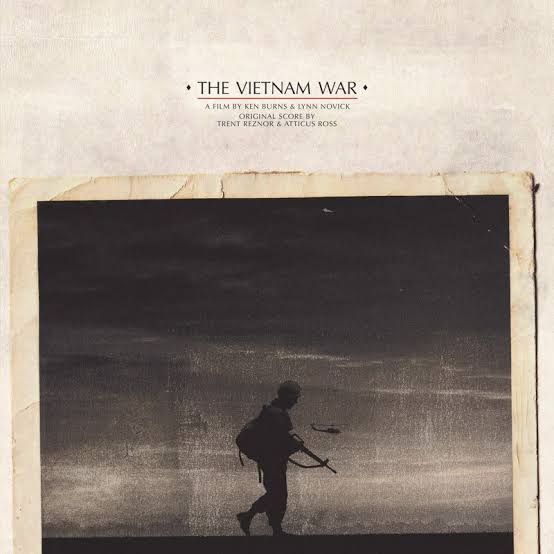
For The Vietnam War, the producers usually met each person once or twice with no camera at all, weeks or months before filming. Sarah Botstein and Lynn Novick have described speaking to many more people than ever appeared on screen, and leaving a gap between the first meeting and the interview so it didn't feel like a repeat.
The point isn't the meeting. It's that on the day, the person in the chair already trusts you, and nothing they say is being said for the first time.
Not everyone agrees. Some filmmakers avoid pre-interviews on purpose, because telling a story twice can take the life out of it the second time. If you do a pre-interview, keep it to the person and the shape of the story, and save the best questions for when the camera is rolling.
2. Do the homework, then order the questions
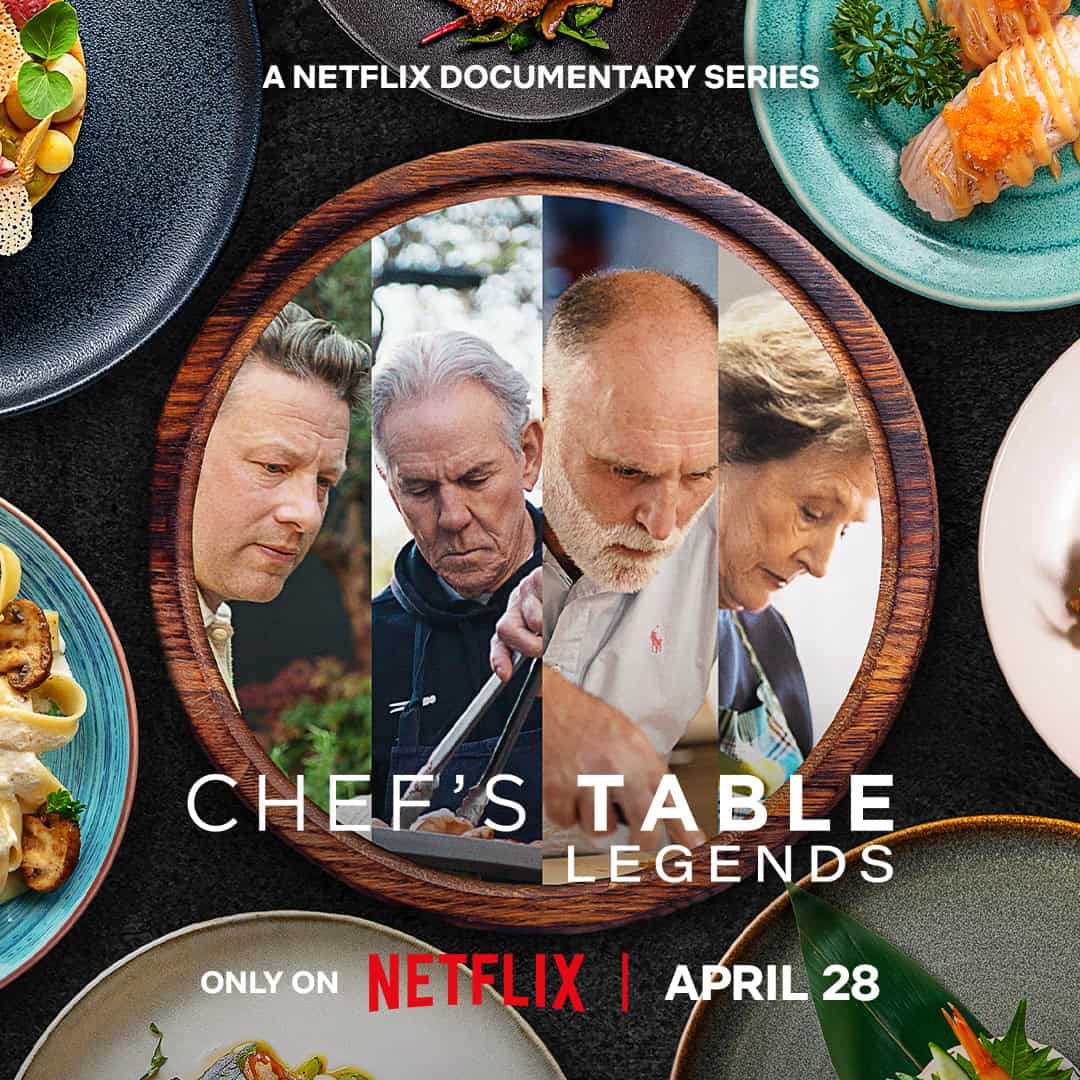
Chef's Table researches everything already public about a chef before filming. Director Geeta Gandbhir teaches building a full picture of the person, then ordering questions from easy warm-ups to the hardest last, and crossing off anything an earlier answer has already covered.
Easy first isn't politeness. It's warm-up time for both of you.
On the day
3. Ask open questions, and get answers that stand alone
If your voice won't be in the film, the answer has to make sense on its own. Training material from the National Film Board of Canada and others says the same thing: ask open questions, not yes-or-no ones, ask people to fold the question into their answer, and listen to whether each answer works without you. If it doesn't, ask again.
4. Ask less, and let the silence work
Errol Morris has said he asks fewer and fewer questions and tries to stay quiet so people keep talking. Louis Theroux is known for letting an awkward pause run until the honest answer arrives. You don't need a rule like "wait five seconds". You need to resist filling the gap.
5. Nervous subject? Try just a mic
For Amy, Asif Kapadia's team interviewed about 100 people with just a microphone on the table and the lights low, because a camera in someone's face doesn't relax anyone. The film was then built from that audio.
It won't suit every project. But if the camera is what's stopping the story, take the camera away.
6. Keep rolling past the usual answers
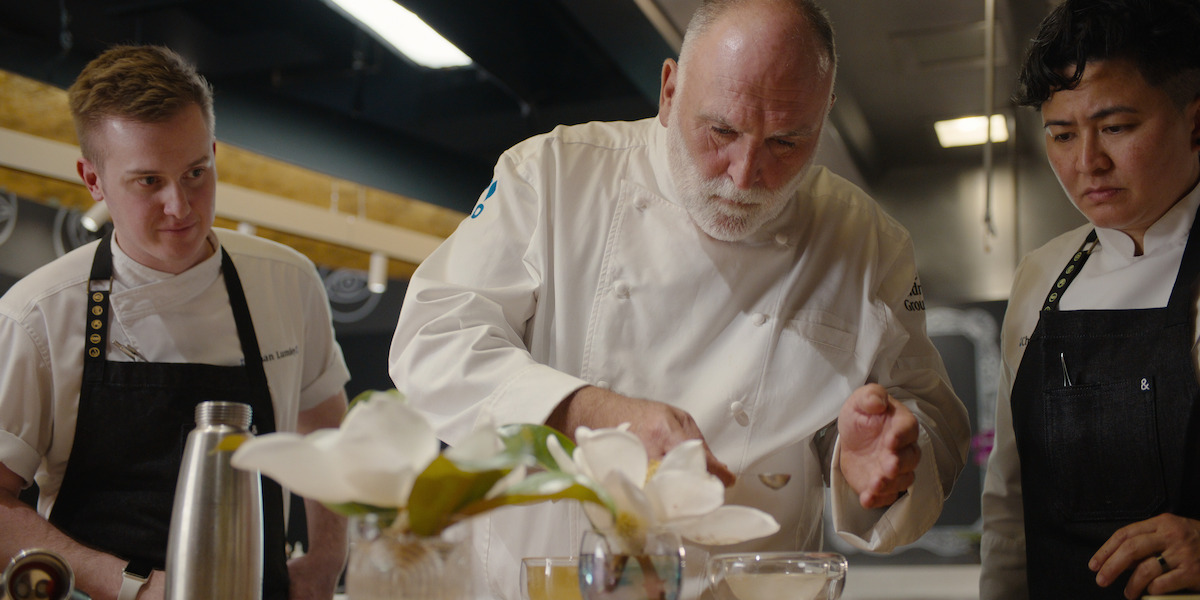
Chef's Table creator David Gelb has said about ten hours of interview per episode is normal for the series, because it takes that long to get beyond the answers chefs usually give. On The Vietnam War, phones were put away and people were told they could stop and take their time.
The first hour is the version they've told before. Budget for the hours after it.
7. Mark the moment while it happens
This is the one I couldn't find a famous team describing in their own words, and it's the one I kept getting wrong myself.
Working shooters have described producers stopping an interview to ask for the timecode after a good line. Frederick Wiseman makes notes while his shoots are still running and rates material afterwards. There are tools now built for logging on set. The need is real: the person in the room knows which answer mattered, and that knowledge is gone by the time the cards are offloaded.
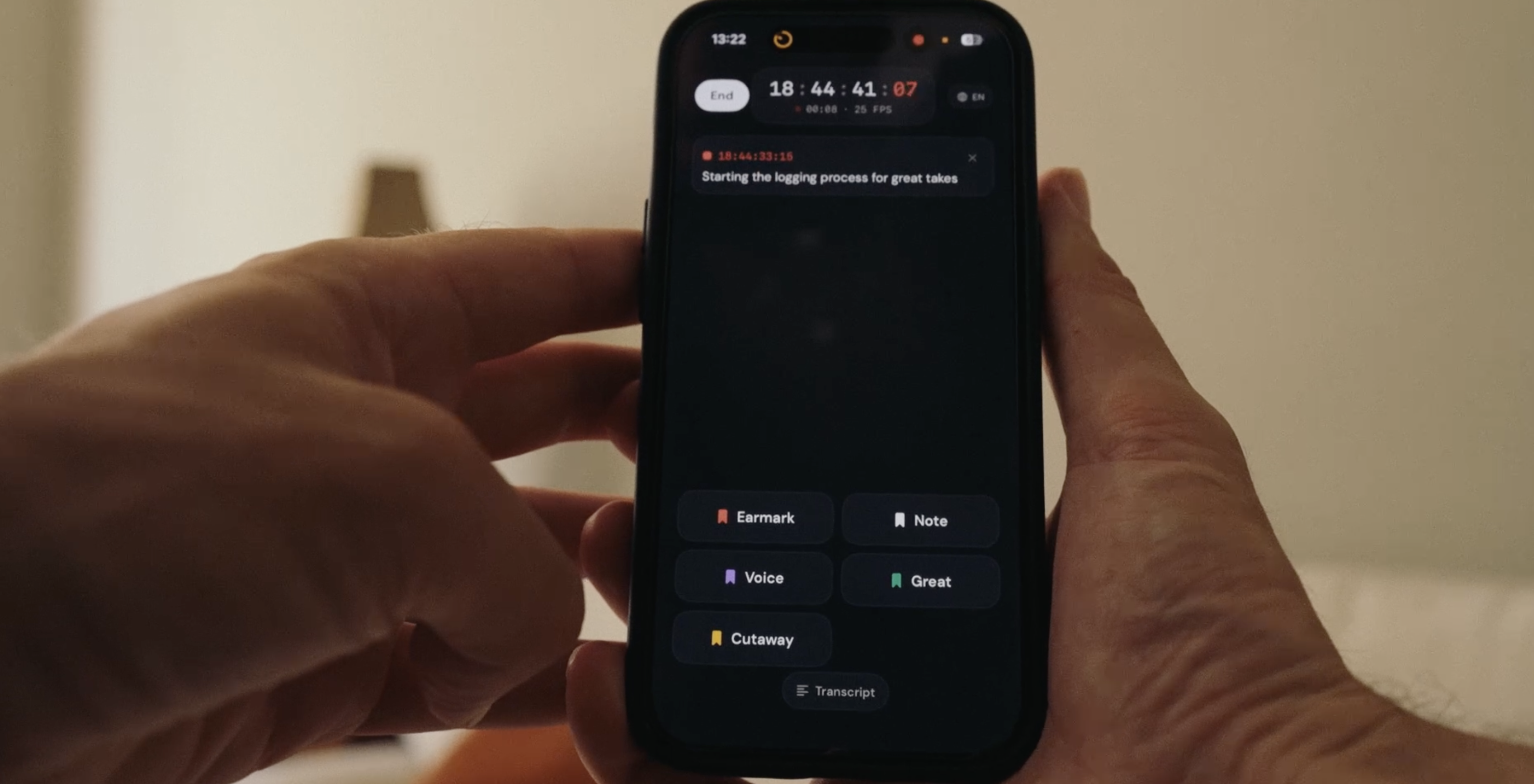
That's why I built Earwig. It's an app for your phone. You match it to your camera's timecode once, and when something good happens you tap a button: Great, B-roll, a note. It saves the moment on the camera's clock, and with transcription on it keeps the words around it. After the shoot, those marks land as markers on your clips in DaVinci Resolve, Premiere Pro or Avid, so your editor opens the project and the best lines are already sitting above the timeline.
You don't need Earwig to do this. A notebook and the camera's timecode work. The habit is what matters: write it down while you can still hear it.
In the edit
8. Transcribe everything and make it searchable
At Florentine Films and at Frontline, interviews are transcribed and cut from searchable scripts. The Last Dance editors searched every interview by topic. Once the words are searchable, any answer is a few keystrokes away instead of an afternoon of scrubbing.
9. Sort every answer by topic
Neil Meiklejohn kept one selects sequence per topic on Wild Wild Country. On The Last Dance, Devin Concannon built a selects reel for each topic. Pippa Ehrlich labelled the selects for My Octopus Teacher by the themes the subject talked about.
The structure of the film is easier to see when the material is already grouped by what it's about.
10. Move the best lines up a track
On The Last Dance, editor Chad Beck duplicated many of the interview sequences and moved the strongest lines up a track, then the really good ones up again. It's a simple way to rate material without leaving the timeline: the higher it sits, the better it is.
Carla Gutierrez, who cut RBG, puts markers on the clips as she watches. A bare marker on its own means there is something good there.
11. Cut it like radio first, then add pictures
Ken Burns's team screens a sound-only cut first: interviews, narration and voices, no pictures. Editor Craig Mellish has explained why: it stops the editor cutting pictures for scenes that probably won't make the film. Those assemblies can run for hours and get cut down hard before a single shot is chosen.
Other teams plan the same way with cards on a wall. The editors of The Defiant Ones put the story on index cards and paired quotes with B-roll ideas. Doug Pray, one of them, put it plainly: "The editing is the writing in documentary films."
Your next interview, start to finish
- Meet them first, camera off.
- Do the homework. Easy questions first, hardest last.
- Open questions, answers that stand alone.
- Ask less. Let the silence work.
- Nervous? Just a mic.
- Keep rolling past the usual answers.
- Mark the moment while it happens.
- Transcribe everything.
- Sort every answer by topic.
- Best lines up a track.
- Cut it like radio, then add pictures.
None of this needs a Netflix budget. Most of it needs one person paying attention on the day and a way of not losing what they noticed.
If you want to try marking moments on your next shoot, Earwig is free to start at earwig.io.
Sources
Every claim above comes from these. Where one team does something, I've said so; none of it is an industry rule.
- The Vietnam War (pre-interviews, crew and phones): Sarah Botstein and Lynn Novick, "An Interview about Interviewing", NEH Humanities, Fall 2017. https://www.neh.gov/humanities/2017/fall/conversation/interview-about-interviewing-lynn-novick-and-sarah-botstein-the-vietnam-war
- Against pre-interviews: IDA, "Doc U Recap: Directing for Documentary: The Interview", 21 Dec 2011. https://documentary.org/node/36533
- Chef's Table (research, about ten hours per episode): David Gelb, Great British Chefs, 16 Feb 2017. https://www.greatbritishchefs.com/features/chefs-table-david-gelb-tim-raue
- Question order: Geeta Gandbhir, Sundance Institute blog, 24 May 2023. https://www.sundance.org/blogs/director-geeta-gandbhir-interview-techniques-for-documentarians/
- Open questions and standalone answers: National Film Board of Canada blog, 5 Feb 2010. https://blog.nfb.ca/blog/2010/02/05/interview-tips-for-documentary-filmmaking/
- Errol Morris on asking less: Columbia Journalism Review, 14 Jul 2017. https://www.cjr.org/special_report/qa-errol-morris-on-catching-the-interview-bug.php
- Louis Theroux and silence: Shortlist, 5 Oct 2016. https://www.shortlist.com/news/louis-theroux-scientology
- Amy (audio interviews): The Skinny, 29 Jun 2015, https://www.theskinny.co.uk/film/interviews/asif-kapadia-on-amy-winehouse-documentary and BFI, 29 Jun 2015, https://www.bfi.org.uk/interviews/making-amy-how-we-created-our-winehouse-documentary
- Logging on set: Creative Cow forum, 22 May 2015, https://creativecow.net/?p=2023998 ; Newsshooter on Frame.io Real-Time Logging, 18 Jun 2024, https://www.newsshooter.com/2024/06/18/frame-io-real-time-logging-rtl/ ; Frederick Wiseman, Docs In Progress, 9 Jul 2010, https://www.docsinprogress.org/201007a-mini-masterclass-with-frederick-wiseman
- Ken Burns's team (transcripts, sound-only cut): Art of the Cut with Craig Mellish, ProVideo Coalition, 6 May 2016. https://www.provideocoalition.com/art-cut-ken-burns-doc-editor-craig-mellish-ace/ ; CineMontage, 5 Feb 2025, https://cinemontage.org/?p=61327
- Frontline (transcripts): Art of the Cut with Steve Audette, ProVideo Coalition, 4 Dec 2015.
- The Last Dance (topic search, selects, best lines up a track): Art of the Cut with The Last Dance editors, ProVideo Coalition, 19 May 2020. https://www.provideocoalition.com/aotc-the-last-dance/
- Wild Wild Country (selects per topic): Art of the Cut with Neil Meiklejohn, ProVideo Coalition, 29 Sep 2018. https://www.provideocoalition.com/art-of-the-cut-with-documentary-editor-neil-meiklejohn/
- My Octopus Teacher (selects by theme): Art of the Cut with Pippa Ehrlich, ProVideo Coalition, 19 Apr 2021.
- RBG (markers while watching): Art of the Cut with Carla Gutierrez, ProVideo Coalition, 6 May 2018. https://www.provideocoalition.com/carla-gutierrez-rbg/
- The Defiant Ones (index cards, "the editing is the writing"): Frame.io blog, 21 Aug 2017. https://blog.frame.io/2017/08/21/editor-as-writer/
Comments
No comments yet — be the first.